
Play, creation,
and learning
Imaginaria
PlayLab
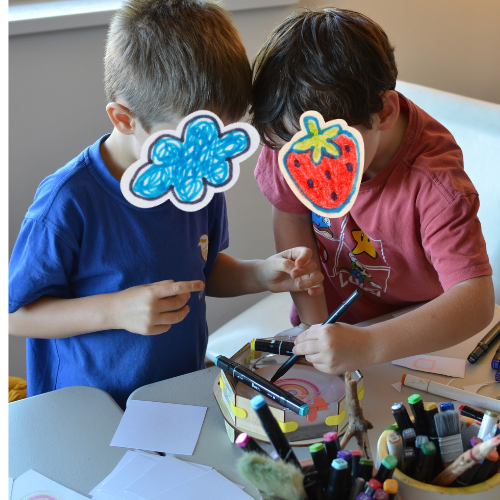
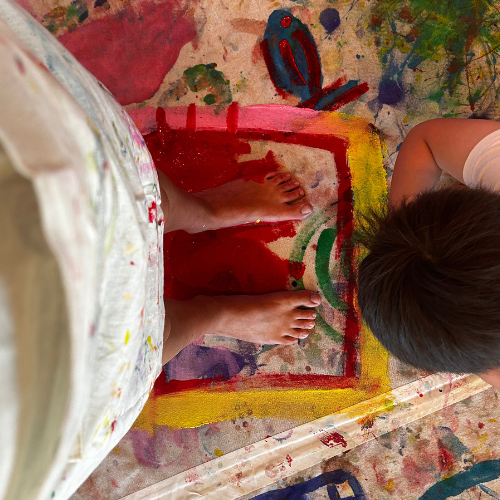
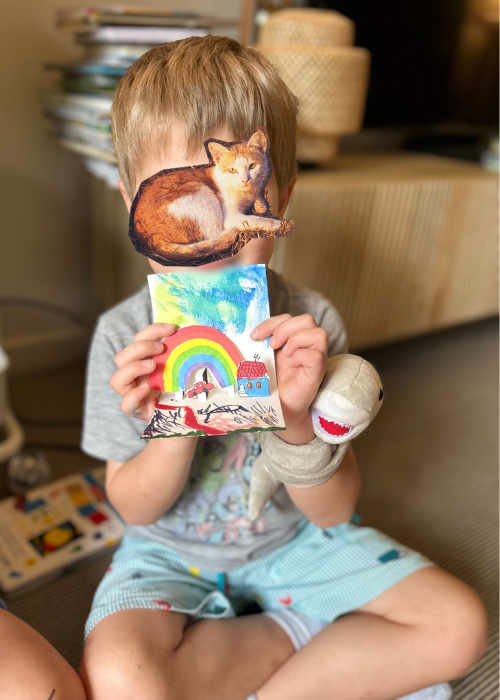
Creative workshops where children explore ideas through making, experimentation and storytelling.
Through artistic and creative activities, children develop curiosity, problem-solving skills and confidence while discovering new ways of thinking and creating.
PlayLab experiences are inspired by child-centred educational approaches that value exploration, creativity and learning through doing. Activities encourage children to investigate materials, test ideas and express their imagination in meaningful ways.
Rather than following rigid instructions, children are invited to explore processes, experiment with materials and develop their own ideas in a supportive environment guided by educators.
Every day, something awesome to
create!
Language is cognición.
Language is pertenencia.
Language is movimiento.
studies show that integrating visual, spatial and verbal information improves learning outcomes.
and multisensory learning environments can reduce cognitive overload in complex learning tasks.
science shows that children learn more deeply when ideas are connected through images, movement and interaction.
Inside
Imaginaria
Space +
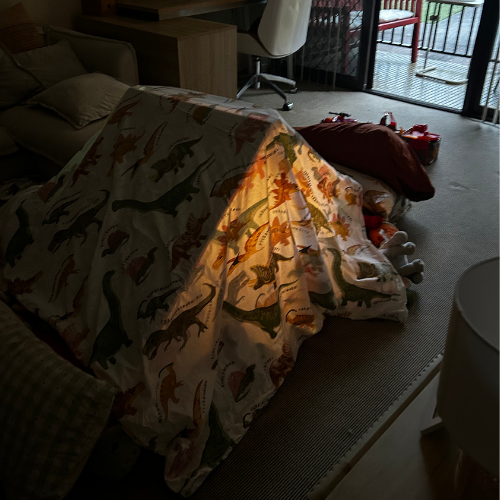
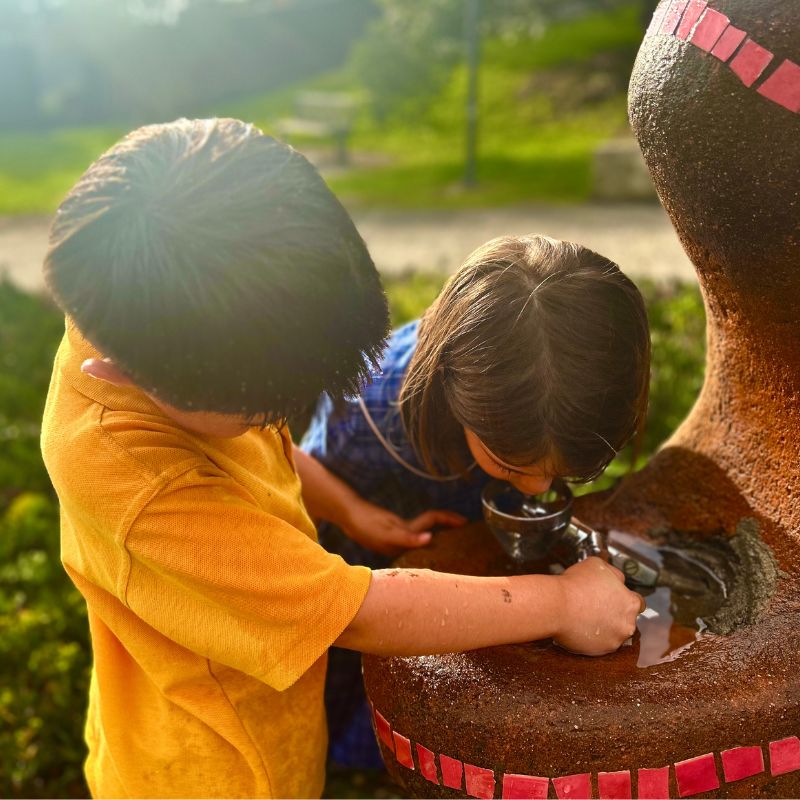
PlayLab sessions take place in environments children know well: their homes and natural outdoor settings.
We see these spaces as living landscapes for curiosity and discovery, where familiar objects, materials and everyday routines become invitations to observe, experiment and create.
By working within the home and its surroundings, children can revisit ideas, continue their projects and extend their discoveries beyond the session, building confidence, independence and a lasting connection with the learning process.
Team +
Imaginaria sessions are guided by trained educators with experience in child development and creative learning.
All team members meet the requirements to work with children in Australia and hold current Working With Children Checks and First Aid certification, ensuring attentive, responsible and professional care throughout each experience.
Activities +
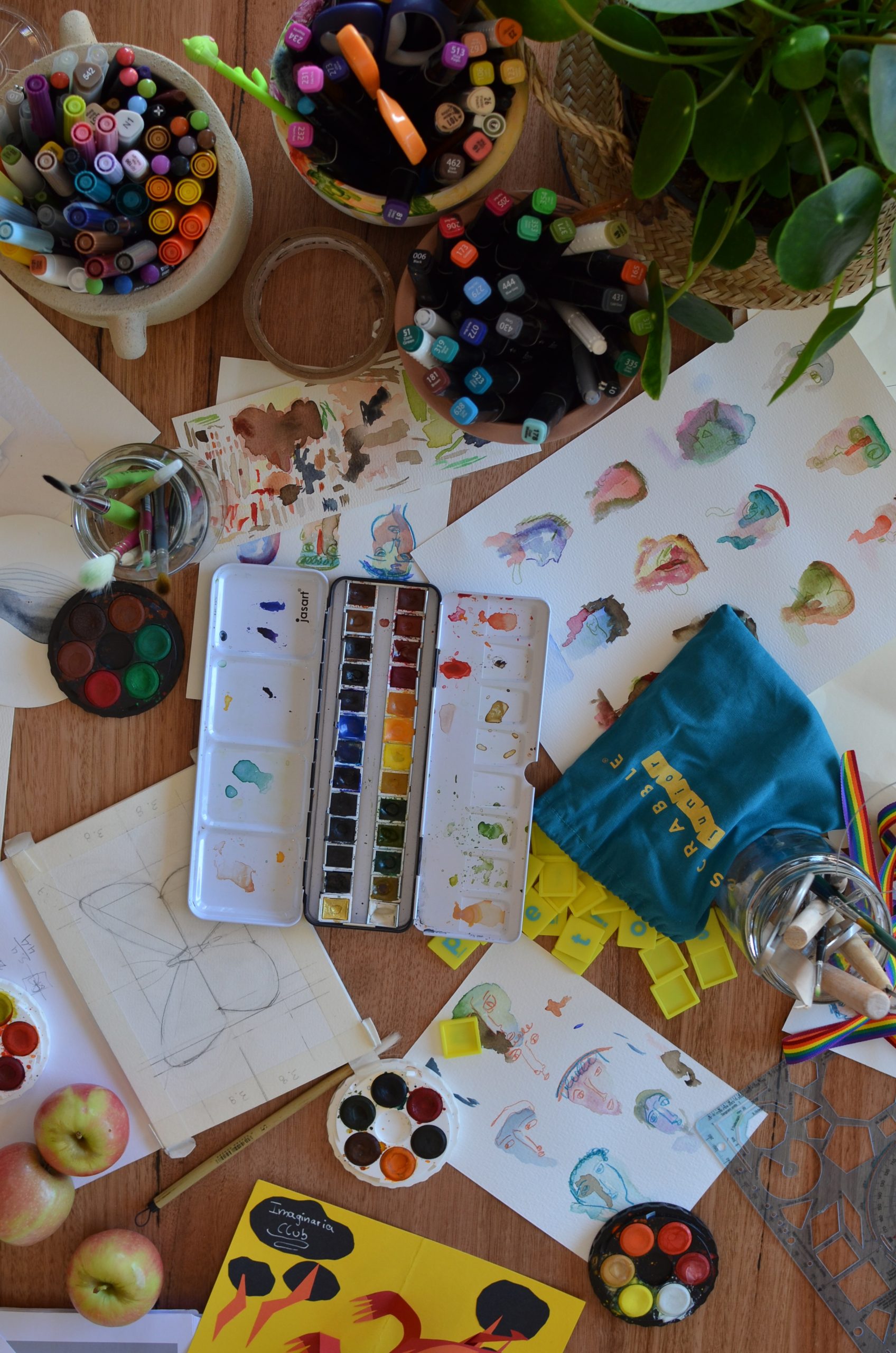
PlayLab invites children into a hands-on journey of discovery across science, art and creative making.
Each workshop introduces an engaging focus — from simple engineering challenges to artistic exploration — with carefully prepared materials ready for experimentation.
Children build, test ideas, create and reflect, with optional challenges for those who wish to go further.
Activities are designed according to each child’s age, interests and ways of engaging with the world.
Materials +
We work with carefully selected STEAM materials and resources, drawn from internationally recognised educational brands and approaches such as KiwiCo, as well as open-ended construction systems like Makedo and other engineering and making kits.
Whenever possible, we incorporate resources developed by education specialists and aligned with curriculum frameworks, allowing us to ensure that each activity responds to core principles of STEAM learning: exploration, design, testing, iteration and improvement.
At the same time, we combine these materials with simple elements: paper, clay, everyday objects and recycled materials, allowing children to move fluidly between structure and open-ended creation.
Contact
Small groups.
Big ideas.
PlayLab was created for children who are curious, creative and sometimes a little difficult to fit inside standard educational boxes.
Children who love building, inventing and questioning things, occasionally dismantling them just to see how they work. We’d love to meet your family.
Imaginaria PlayLab
PlayLab experiences are inspired by child-centred educational approaches that value exploration, creativity and learning through doing.
Rather than following rigid instructions, children are invited to explore processes, experiment with materials and develop their own ideas in a supportive environment guided by educators.
Language is pertenencia.
Language is movimiento.
what we do
sessions are designed around open-ended challenges that encourage children to investigate ideas, test possibilities and develop confidence through active discovery.
each playlab workshop introduces an engaging focus that may include artistic exploration, engineering challenges, visual experimentation or creative construction.
children build, test ideas, create, reflect and revisit processes through carefully prepared invitations to learn. optional extensions and challenges are offered for children who wish to deepen or expand their investigations.
activities are adapted according to each child’s age, interests and ways of engaging with the world, creating experiences that support both cognitive development and creative confidence.
who
imaginaria sessions are guided by trained educators with experience in child development, creative learning and multimodal education.
all collaborators meet australian requirements for working with children and hold current working with children checks and first aid certification, ensuring attentive, responsible and professional care throughout each experience.
where
playlab sessions take place in environments children already know well: their homes and nearby outdoor spaces.
we see these environments as living landscapes for curiosity and discovery, where everyday objects, familiar materials and daily routines become opportunities to observe, experiment and create.
working within the home environment also allows children to revisit ideas, continue projects independently and extend learning beyond the session itself.
materials
we work with carefully selected steam materials and open-ended creative resources inspired by internationally recognised educational approaches and brands such as kiwico, makedo and other engineering and construction systems.
where possible, we incorporate materials developed by education specialists and aligned with curriculum frameworks, supporting key principles of steam learning including exploration, design, testing, iteration and improvement.
these resources are combined with simple materials such as paper, clay, recycled objects and natural elements, allowing children to move fluidly between structured experimentation and imaginative creation.
can feel
different.