
Imaginaria Online
Digital Studio
English + Spanish · Ages 6–12
Children learn to read them all.
Join the Studiobooks
images
videos
games
Childhood is changing.
Contemporary childhoods require contemporary literacies.
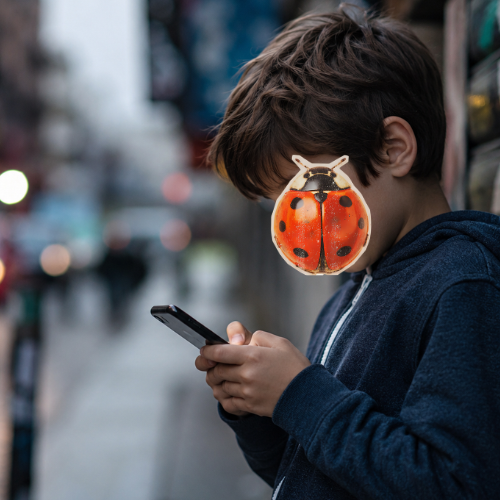
Today’s children are growing up in a world filled with videos, apps, games, images and online spaces.
Before they fully understand how technology works, they are already learning from YouTube, communicating through emojis, watching short-form videos, playing online games and interacting with digital media every day.
These experiences are now part of childhood. Helping children navigate them thoughtfully requires more than knowing how to use technology. It means learning how digital environments work, how information is shared and how to make sense of the world around them.
When we think about reading, we often think about written text.
But children also learn to interpret images, colours, symbols, videos, games and digital spaces from a very young age. Long before they become confident readers of books, they are already making sense of visual messages, recognising patterns and understanding how different forms of media communicate ideas.
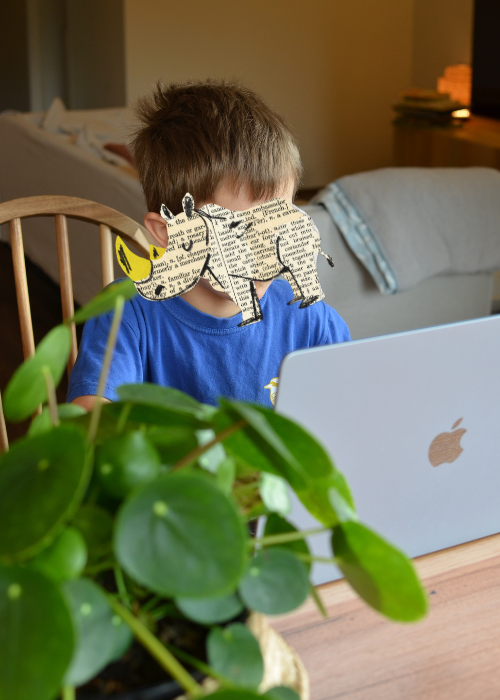
In a world increasingly shaped by screens, platforms and visual media, learning to read images has become just as important as learning to read words.
Imaginaria Online / Useful information
The practical bits.
Devices, internet, small groups and other useful details.
01
Weekly sessions
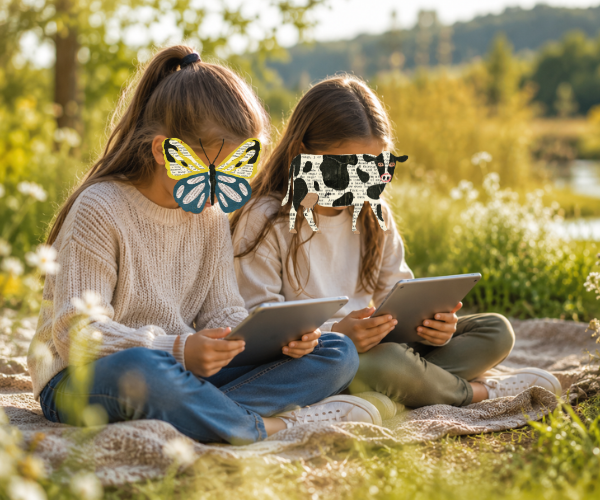
Imaginaria Online offers weekly 50-minute learning sessions for children aged 6–12. Sessions are available in both English and Spanish.
02
Small groups
Children are grouped by age and school year whenever possible. Groups are intentionally small, with a maximum of five children, allowing opportunities for participation, discussion and individual support.
03
Join from anywhere
Children can join from anywhere in Australia. Whether you’re in Sydney, Perth, Hobart or a regional town, all you need is a reliable internet connection.
04
Devices and space
Children will need access to a computer or tablet and a quiet space to participate in the session.
05
An adult nearby
No need to pull up a chair and attend the lesson yourself. We simply ask that an adult remains nearby. Computers have their moments. Children do too.
06
Designed for children
Every session creates opportunities for participation, discussion and individual support within an online environment designed specifically for young learners.
Digital literacy / A broader view
Three small reminders for thinking about technology and contemporary childhoods.
01
There is no such thing as “screen time”.
A video call, a documentary, Minecraft and endless scrolling are not the same experience.
02
Technology itself is not the teacher.
What children do, who they do it with and why they are doing it matters.
03
Digital literacy is more than online safety.
It also includes creativity, communication, participation and critical thinking.
What does this look like
in real life?
Digital literacy / 01–06
Digital literacy is part of everyday childhood.
Six everyday examples
Open a question
01 Looking up information for a school project. +
How do I know if a source is trustworthy?
02 Watching a YouTube video. +
Who created this and why?
03 Playing Minecraft with friends. +
How do we collaborate, communicate and solve problems together?
04 Using AI to answer a question. +
When should I trust the answer, and when should I question it?
05 Seeing an advertisement online. +
What is trying to capture my attention?
06 Sharing a photo or message. +
What should stay private?
what is digital literacy?
More than using technology. More than staying safe online.
Digital literacy is the ability to understand, question, create and participate in digital environments. It includes practical and technical skills, but also the ability to interpret information critically, communicate effectively, recognise how digital media shapes experiences and engage thoughtfully with the world.
Contemporary researchers generally agree that digital literacy is about much more than learning how to use devices or apps. Children are growing up in a world where information, communication, entertainment and learning increasingly take place through digital media. As a result, they need opportunities not only to use technology, but also to understand it.
Digital literacy involves learning how information is created and shared, how media influences opinions and behaviour, and how digital environments shape everyday experiences. It also includes developing the judgement, creativity and critical thinking needed to navigate an increasingly digital world with confidence and responsibility.
Technology is not going anywhere. The challenge is helping children learn how to navigate it well.
Read more about our approachImaginaria Online / Digital Studio
Inside the Digital Studio
What do children actually do?
01
We investigate.
How information travels online, how search engines work and how to recognise trustworthy sources.
02
We create.
Digital stories, presentations, media projects and creative responses.
03
We question.
Advertising, online claims, misinformation and AI-generated content.
04
We communicate.
Collaboration, discussion and respectful participation in digital spaces.
05
We explore.
The tools, platforms and technologies shaping contemporary childhoods.
06
We reflect.
How technology influences our choices, attention, relationships and everyday lives.
The world has changed. The goal isn’t to keep children away from technology. It’s to help them make sense of it.
We’re here to help.
Explore PricingStart a conversation
If you’re unsure which group is the right fit, have questions about the program, or simply want to say hello, we’d love to hear from you.
Imaginaria Online
Digital Studio
English + Spanish · Ages 6–12
Children learn to read them all.
Join the Studio01 books read
02 images view
03 videos watch
04 games play
Childhood is changing.
Contemporary childhoods require contemporary literacies.
01
Today’s children are growing up in a world filled with videos, apps, games, images and online spaces.
02
Before they fully understand how technology works, they are already learning from YouTube, communicating through emojis, watching short-form videos, playing online games and interacting with digital media every day.
03
These experiences are now part of childhood. Helping children navigate them thoughtfully requires more than knowing how to use technology. It means learning how digital environments work, how information is shared and how to make sense of the world around them.
When we think about reading, we often think about written text.
But children also learn to interpret images, colours, symbols, videos, games and digital spaces from a very young age. Long before they become confident readers of books, they are already making sense of visual messages, recognising patterns and understanding how different forms of media communicate ideas.
Visual literacy · 01
01
In a world increasingly shaped by screens, platforms and visual media, learning to read images has become just as important as learning to read words.
Imaginaria Online / Useful information
The practical bits.
Devices, internet, small groups and other useful details.
01
Weekly sessions
Time
Imaginaria Online offers weekly 50-minute learning sessions for children aged 6–12. Sessions are available in both English and Spanish.
02
Small groups
Groups
Children are grouped by age and school year whenever possible. Groups are intentionally small, with a maximum of five children, allowing opportunities for participation, discussion and individual support.
03
Join from anywhere
Online
Children can join from anywhere in Australia. Whether you’re in Sydney, Perth, Hobart or a regional town, all you need is a reliable internet connection.
04
Devices and space
Setup
Children will need access to a computer or tablet and a quiet space to participate in the session.
05
An adult nearby
Support
No need to pull up a chair and attend the lesson yourself. We simply ask that an adult remains nearby. Computers have their moments. Children do too.
06
Designed for children
Learning
Every session creates opportunities for participation, discussion and individual support within an online environment designed specifically for young learners.
Digital literacy / A broader view
Three small reminders for thinking about technology and contemporary childhoods.
01
Context
There is no such thing as “screen time”.
A video call, a documentary, Minecraft and endless scrolling are not the same experience.
02
Experience
Technology itself is not the teacher.
What children do, who they do it with and why they are doing it matters.
03
Literacy
Digital literacy is more than online safety.
It also includes creativity, communication, participation and critical thinking.
What does this look like
in real life?
Digital literacy / 01–06
Digital literacy is part of everyday childhood.
Six everyday examples
Open a question
01 Looking up information for a school project. +
How do I know if a source is trustworthy?
02 Watching a YouTube video. +
Who created this and why?
03 Playing Minecraft with friends. +
How do we collaborate, communicate and solve problems together?
04 Using AI to answer a question. +
When should I trust the answer, and when should I question it?
05 Seeing an advertisement online. +
What is trying to capture my attention?
06 Sharing a photo or message. +
What should stay private?
what is digital literacy?
More than using technology. More than staying safe online.
01
Digital literacy is the ability to understand, question, create and participate in digital environments. It includes practical and technical skills, but also the ability to interpret information critically, communicate effectively, recognise how digital media shapes experiences and engage thoughtfully with the world.
02
Contemporary researchers generally agree that digital literacy is about much more than learning how to use devices or apps. Children are growing up in a world where information, communication, entertainment and learning increasingly take place through digital media. As a result, they need opportunities not only to use technology, but also to understand it.
03
Digital literacy involves learning how information is created and shared, how media influences opinions and behaviour, and how digital environments shape everyday experiences. It also includes developing the judgement, creativity and critical thinking needed to navigate an increasingly digital world with confidence and responsibility.
Technology is not going anywhere. The challenge is helping children learn how to navigate it well.
Read more about our approachImaginaria Online / Digital Studio
Inside the Digital Studio
What do children actually do?
01
Research
We investigate.
How information travels online, how search engines work and how to recognise trustworthy sources.
02
Making
We create.
Digital stories, presentations, media projects and creative responses.
03
Thinking
We question.
Advertising, online claims, misinformation and AI-generated content.
04
Together
We communicate.
Collaboration, discussion and respectful participation in digital spaces.
05
Discovery
We explore.
The tools, platforms and technologies shaping contemporary childhoods.
06
Reflection
We reflect.
How technology influences our choices, attention, relationships and everyday lives.
Imaginaria Online
The world has changed. The goal isn’t to keep children away from technology. It’s to help them make sense of it.
We’re here to help.
Explore PricingStart a conversation
If you’re unsure which group is the right fit, have questions about the program, or simply want to say hello, we’d love to hear from you.
Write to us
info@imaginariaclub.com.au